New defense technologies, partnerships and approaches: Changing the defense industrial paradigm
Effective collaboration with partners requires open architectures for rapid configuration of missions and platforms.

Effective collaboration with partners requires open architectures for rapid configuration of missions and platforms.

The upgrade allows existing radar warning receivers to analyze unfamiliar signals in real time — fast enough to warn the pilot if it’s an enemy radar locking on. “It could go on any kind of F-16” or a wide range of other aircraft, Raytheon Vice President Michael Baladjanian told Breaking Defense.
Michigan’s defense ecosystem and expertise makes it a special asset for production.

“It’s like the Wild, Wild West when it comes to AI right now,” Linchpin product lead Bharat Patel told Breaking Defense. “We don’t want to be the government and be like, ‘Here’re our standards, you must comply.’”

As her signature “Open DAGIR” initiative seeks to bring in smaller, innovative software firms, “we’ve got to be a lot more explicit” in contracting language to protect their intellectual property and data rights, said Chief Digital & AI Officer Radha Plumb.

“I describe PWSA, the Proliferated Warfighter Space Architecture, as the Android model,” said Space Development Agency director Derek Tournear. “If we get vendor lock, if only one works, or if they can't talk to each other, that falls apart pretty quickly.”
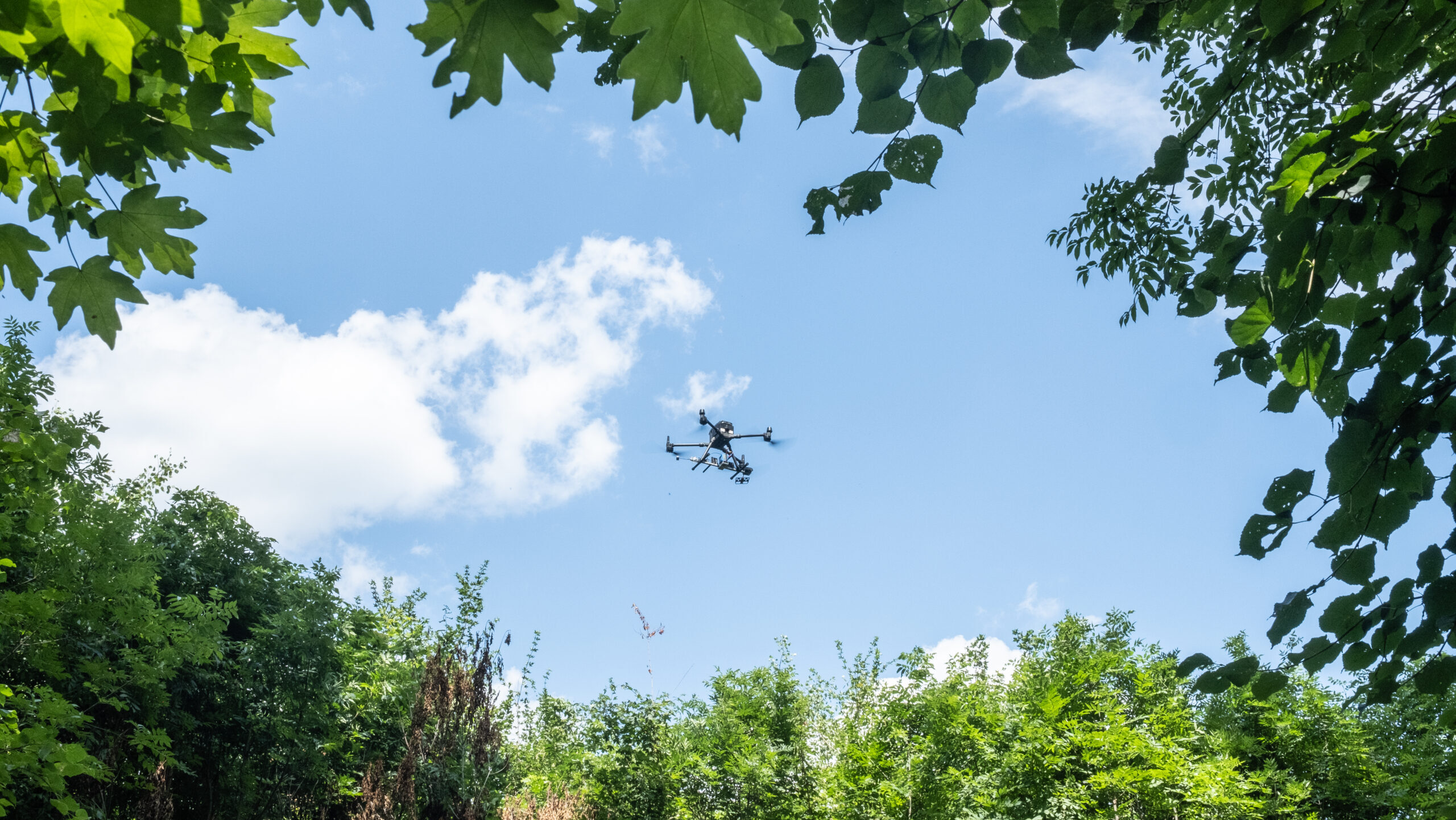
Just announced on Thursday but already quietly combat-tested in Ukraine, the palm-sized Skynode S card makes small drones much less dependent on an uninterrupted wireless link to a human remote controller.


Cybersecurity skills must evolve in near-real time as Zero Day threats continue and AI provides new challenges.
The recent announcements on Palantir’s Maven Smart System and other strategic tools are just the start, CDAO Radha Plumb told Breaking Defense, with announcements on tactical and business systems coming by fall.

The Chief Digital & AI Office wants to bring in a wide range of software developers to rapidly create new applications for Combatant Commands worldwide, with the new apps plugging into Palantir’s open-architecture Maven Smart System.

Evolved from JAIC’s controversial Project Maven, Palantir’s Maven Smart System pulls together data from satellites, social media and other disparate sources for military commanders and planners.
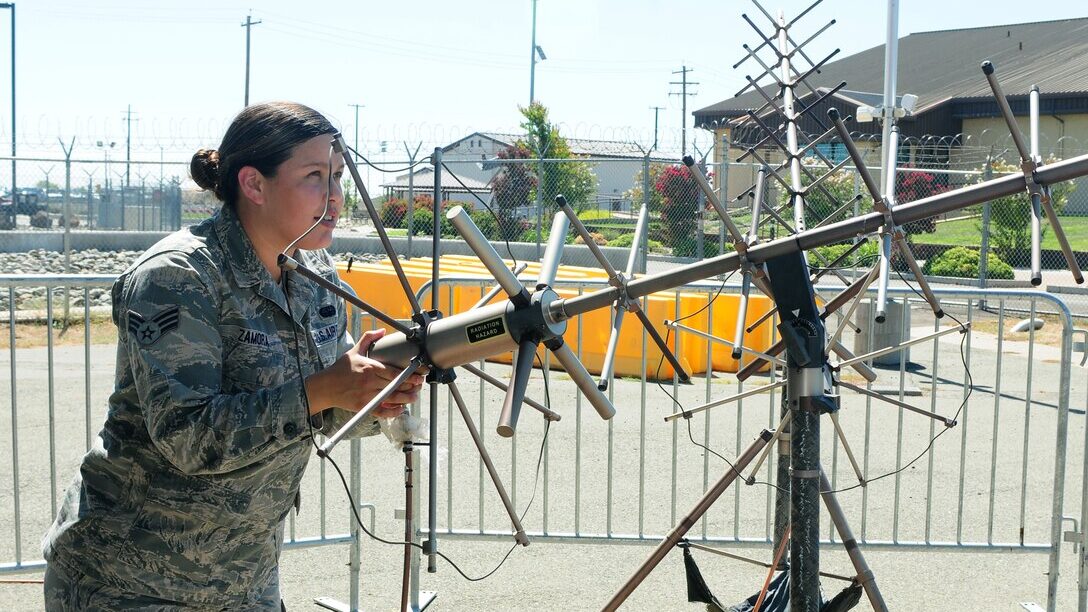
The test will see how well "Freedom Radio" works with third-party communications, as integration is seen as critical for JADC2.

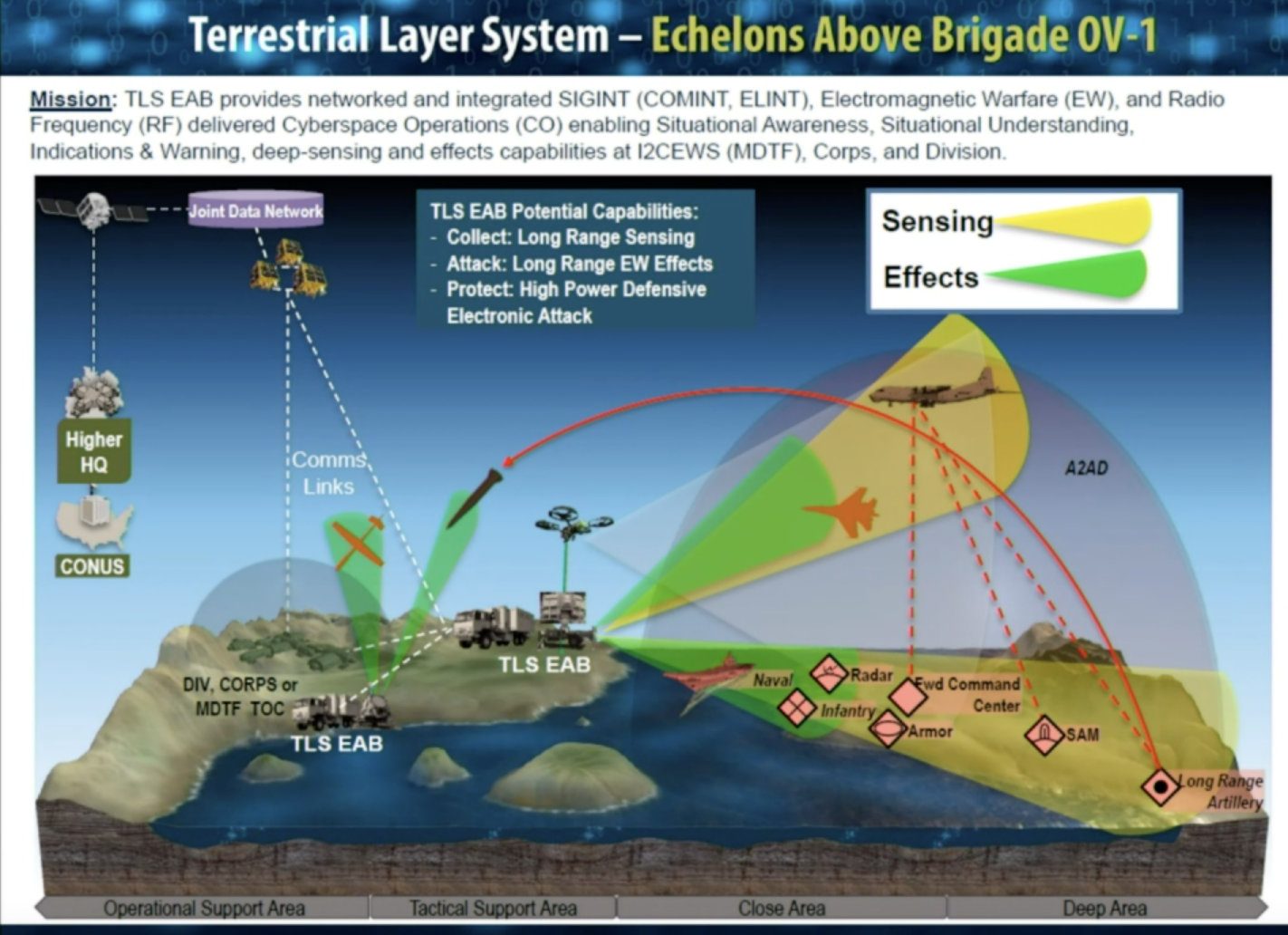
The Army Requirements Oversight Council will meet to approve the TLS-EAB program on July 9.

The combined company will offer a wide range of unmanned vehicles (mostly small ones) for air, land, sea, and underwater, said exec Roger Wells.

“I think it's unanimous from all the soldiers involved that we got this one right,” said the Army’s project manager for the Future Tactical Unmanned Aerial System. Manned aircraft, FARA and FLRAA, are also moving out sharply.
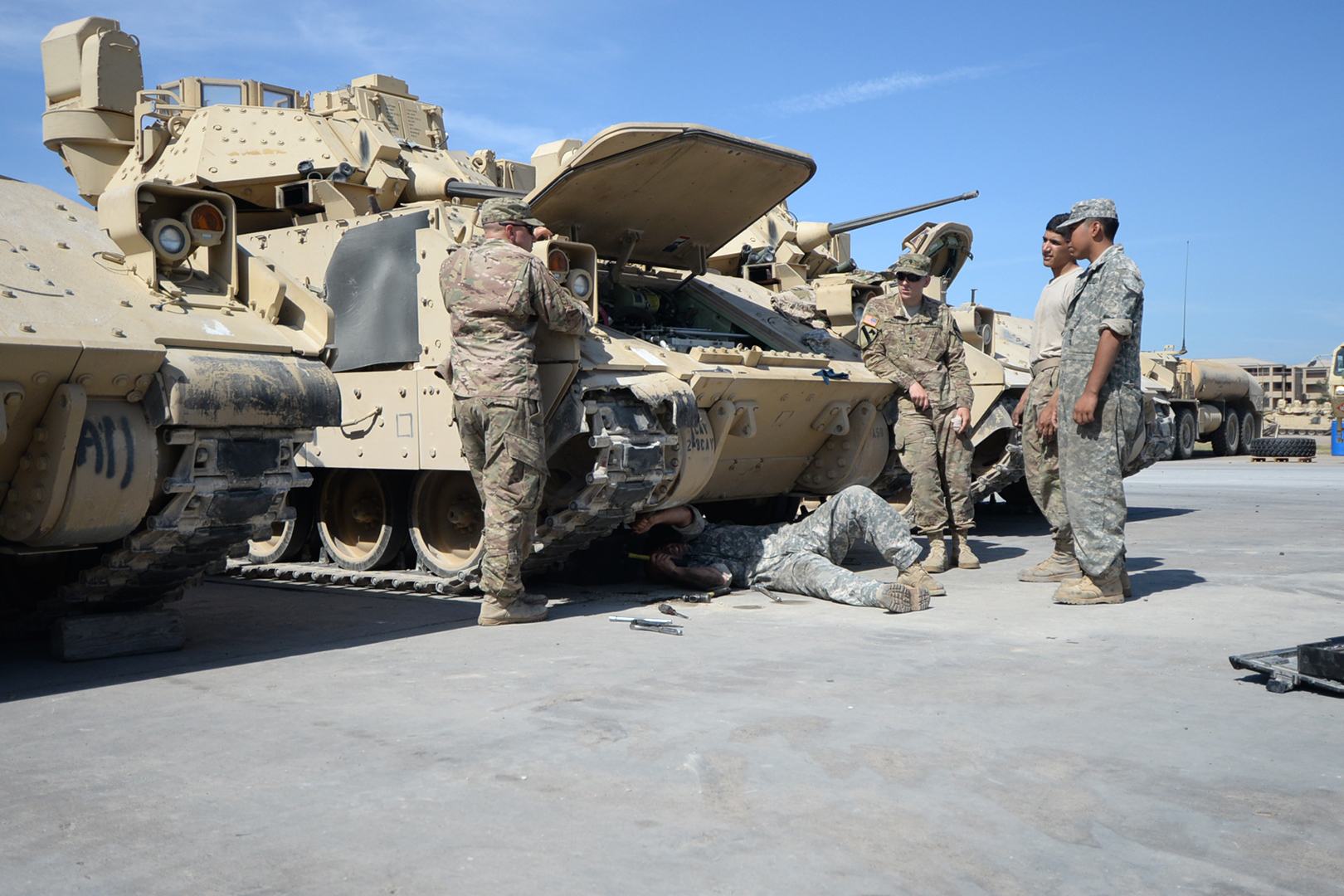
“Modular open systems architecture... is the foundation of all our future modernization,” said Brig. Gen. Glenn Dean. The Bradley replacement, OMFV, will be the test case.